Hemlock Removal in Newark, DE
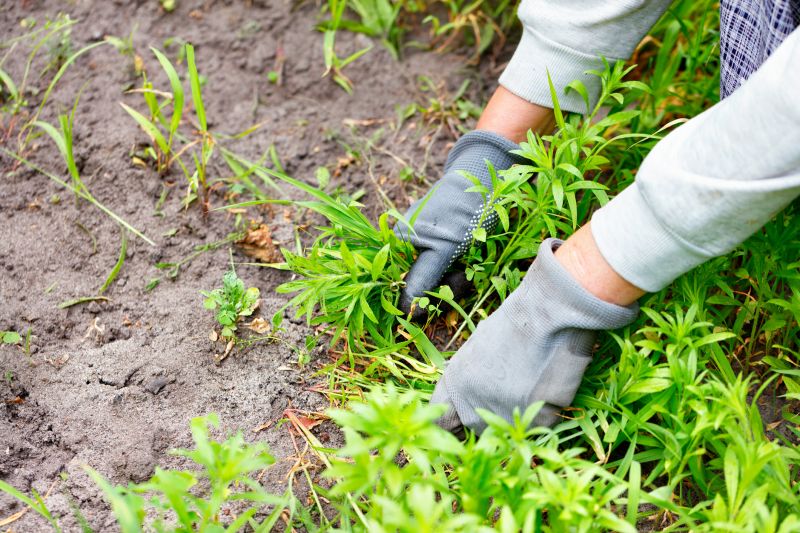
Hemlock removal services involve the safe and effective elimination of hemlock trees from residential properties. This process is often requested for projects such as clearing overgrown landscapes, removing hazardous or diseased trees, or making space for new landscaping or construction. Property owners typically seek information about the scope of the removal, the tools and methods used, and how the process can improve safety, aesthetics, or functionality of their outdoor space.
Before requesting hemlock removal, homeowners should consider factors such as the size and location of the trees, potential impacts on nearby structures or utilities, and any local regulations or permits that might be required. It’s also helpful to understand the overall health of the trees and whether removal is necessary due to disease, safety concerns, or landscape planning. Contacting a professional can provide clarity on the best approach for each specific project and ensure the removal is completed efficiently and safely.
Many property owners in Newark, DE look into Hemlock Removal for repairs, replacements, upgrades, and appearance-related improvements.
Reasons To Remove Hemlocks
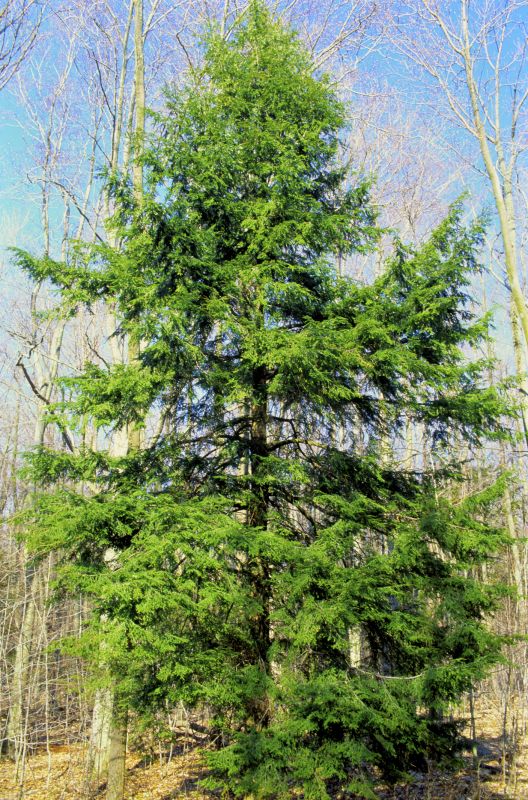
Hemlock removal helps prevent disease spread and reduces safety hazards on residential properties.
Signs Hemlocks Need Removal
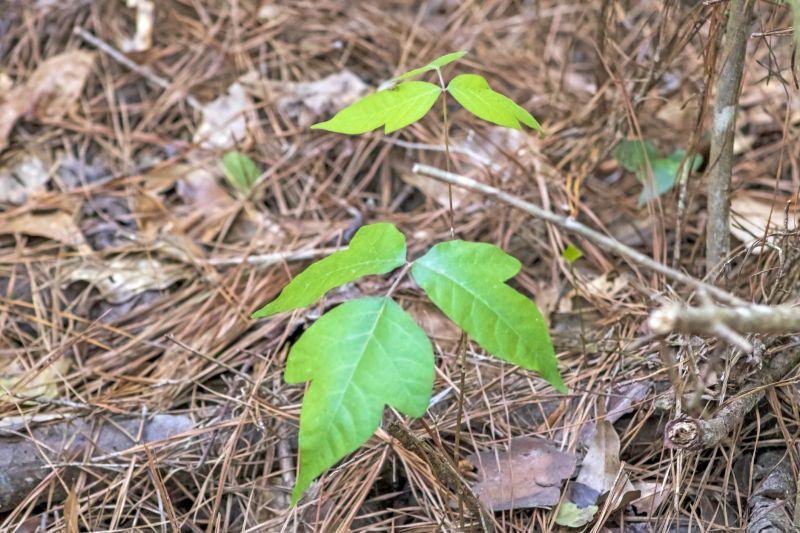
Wilting, discolored needles, and structural instability are common indicators that removal may be necessary.
Benefits Of Professional Removal
Expert removal ensures safety, minimizes damage to surrounding landscape, and maintains property value in newark, de.
Hemlock Removal in Newark, DE

Hemlock removal services involve the safe and effective elimination of hemlock trees from residential properties. This process is often requested for projects such as clearing overgrown landscapes, removing hazardous or diseased trees, or making space for new landscaping or construction. Property owners typically seek information about the scope of the removal, the tools and methods used, and how the process can improve safety, aesthetics, or functionality of their outdoor space.
Before requesting hemlock removal, homeowners should consider factors such as the size and location of the trees, potential impacts on nearby structures or utilities, and any local regulations or permits that might be required. It’s also helpful to understand the overall health of the trees and whether removal is necessary due to disease, safety concerns, or landscape planning. Contacting a professional can provide clarity on the best approach for each specific project and ensure the removal is completed efficiently and safely.
Many property owners in Newark, DE look into Hemlock Removal for repairs, replacements, upgrades, and appearance-related improvements.
Common Hemlock Removal Jobs
Hemlock removal - eliminates invasive trees to protect native plant life and landscape health.
Hemlock thinning - reduces tree density to improve air circulation and prevent disease spread.
Hemlock pruning - trims overgrown branches to enhance tree safety and appearance.
Hemlock clearing - removes dead or hazardous trees to maintain property safety and accessibility.
Hemlock infestation control - addresses pest or disease issues affecting hemlock trees.
Hemlock stump grinding - removes remaining stumps to prepare the area for future landscaping or planting.
Hemlock Removal Questions
Why should Hemlock trees be removed? Hemlock trees may be removed to prevent disease spread, reduce safety hazards, or improve landscaping aesthetics.
What signs indicate a Hemlock tree needs removal? Wilting needles, browning foliage, or visible damage can suggest a Hemlock tree requires removal.
Is Hemlock removal necessary for safety? Yes, removing a compromised Hemlock can eliminate risks of falling branches or tree collapse.
What types of properties typically request Hemlock removal? Residential yards, parks, and commercial landscapes often seek Hemlock removal to maintain safety and appearance.
Request Hemlock Removal in Newark, DE
Use the quote form on this page to share the basics of your project and request more information for the type of work you need.